

In this digital age, you may have heard it countless times: Content is king. It sounds almost like a cliche, but it still holds water. And this saying applies to brands and businesses across various industries, including healthcare.
Without content it’s impossible to reach and engage your target audience, generate leads, and convert them into paying customers. You need quality, engaging content to create brand awareness, promote your products or services, and establish a relationship with your consumers.
However, producing content is not the end goal of your business. It’s important to know how to share and promote your content to the right people, at the right time, and with the right strategy. Even the best quality content is a waste if it doesn’t reach your target audience.
This is where content marketing comes into play.
What Is Content Marketing?
As per the definition of the Content Marketing Institute (CMI),“Content marketing is a strategic marketing approach focused on creating and distributing valuable, relevant, and consistent content to attract and retain a clearly defined audience — and, ultimately, to drive profitable customer action.”
Gone are the days when brands would heavily invest in traditional marketing media to reach their prospect consumers and pitch their products or services. As people have evolved their ways of consuming content and making buying decisions, businesses have learned to adapt.
For example, TV, radio and print ads used to be the popular forms of marketing for various businesses in the past. In traditional marketing, brands mainly focus on creating awareness and influencing consumers into purchasing their product or service. There’s more focus on putting out consistent, repetitive content and less on valuable, relevant content.
Yet in today’s digital world, people don’t respond as well to marketing tactics that are interruptive, sales-y and pushy in nature. It’s now easier for them to skip ads altogether and ignore content that seems annoying and difficult to understand or digest.
On the other hand, they are more likely to respond to content that resonates with them and addresses their needs.
Is your content informative, educational and engaging? Does it touch your target audience’s pain points? If your answers are in the affirmative, then you’re doing content marketing right.
Giving value to your customers is a top priority when doing content marketing. Remember, you don’t simply put your product or service in front of them through various digital channels. Instead, you guide them through their buyer’s journey by helping them make informed decisions about your product or service.
With the right content strategy, you give them a compelling reason to choose you over your competitors.
Content Marketing in the Healthcare Setting

Content marketing is indeed crucial to any type of industry. The CMI annual research shows that it is widely used by the world’s top organizations – e.g. Microsoft, Cisco Systems, and P&G — as well as small businesses around the globe.
But in the healthcare field, content marketing is particularly essential. Why?
This is because the number of people searching for relevant health information online continues to grow. Since the advent of the internet, healthcare consumers have increasingly used it to seek answers for their health concerns.
According to a previous study by the Pew Internet & American Life Project, 80% of internet users (around 93 million Americans) have looked for a health-related topic online. This was up from 62% of internet users who researched health info online in 2001.
The study found that people went online to search for health-related topics such as a specific medical condition or a medical procedure or treatment. They also looked up information about diet, nutrition and vitamins, and exercise or fitness.
Other popular topics include OTC drugs, alternative treatments, health insurance, depression, stress or anxiety, and a particular doctor or hospital.
The Pew research indicates that a lot of today’s adults are turning to the internet for health-related concerns, whether for themselves or their loved ones. It also shows that searching for health-related topics is a popular online activity among internet users.
But while there is always a high demand for health information online, there are not enough reliable sources to provide it. There are a lot of websites that focus on health-related topics, but the overall quality of health information online remains low and questionable.
This means there is no better time than now for medical practices to use content marketing. Healthcare providers have the power to improve the quality of medical content being disseminated online.
By creating and distributing health information that is accurate and unbiased, doctors and medical professionals can bring real value to online searchers.
Now the question is, why invest in content marketing for your medical practice?
RELATED: Marketing a Doctor’s Office: 10 Best Secrets for Success
Benefits of Medical Content Marketing
As part of your overall medical marketing strategy, content marketing is a way to establish your practice or medical brand as a thought leader in your field. And in a highly competitive world of healthcare, content marketing is more of a necessity rather than an option.
Whether you’re running a doctor’s office, dental practice, medical spa, clinic or hospital, you can reap a lot of benefits from doing content marketing. Here are some ways you can use content marketing to your advantage:
1. It allows you to expand your reach.
By meeting your current and potential patients where they already are (i.e. online), you can reach more people and generate new leads.
2. It boosts brand awareness.
As with other digital marketing channels, content marketing boosts your branding efforts. Every quality content you put out there helps you gain exposure.
3. It helps your patients make informed health decisions.
You can leverage your medical know-how and share educational content with your current and potential patients. You can also share how your products or services can help solve their problems.
4. It helps build trust.
Content marketing is about giving value. By consistently putting out valuable content in the form of blog posts, newsletters and videos, you earn the trust of your followers and patients.
5. It allows you to engage with your community.
Your content marketing strategy may include answering questions in relevant online forums like Quora. You can also participate in social media discussions and leave meaningful comments on others’ posts.
6. It turns visitors into leads and leads into customers.
Depending on where they are in their buyer’s journey, your marketing efforts can guide your consumers into taking the next step. Your content is your advertising and you draw them in by addressing their needs or pain points.
Elements of Effective Content Marketing
Content marketing may sound simple in theory, but it requires careful planning and strategy to yield the best results. It’s not rocket science, but some content marketing campaigns can be trickier to perform than others.
That’s why it pays to brainstorm with your in-house or a third party marketing team to come up with an effective campaign. It’s also ideal to determine which content types to focus on for your medical practice or organization.
Naturally, the marketing strategy of a large hospital will be different from that of a small dental office. It all boils down to your budget, resources, and business goals. There is no one-size-fits-all strategy when it comes to healthcare marketing.
Having said that, here are popular examples of content marketing that doctors, dentists and healthcare organizations can leverage:
1. Blogs
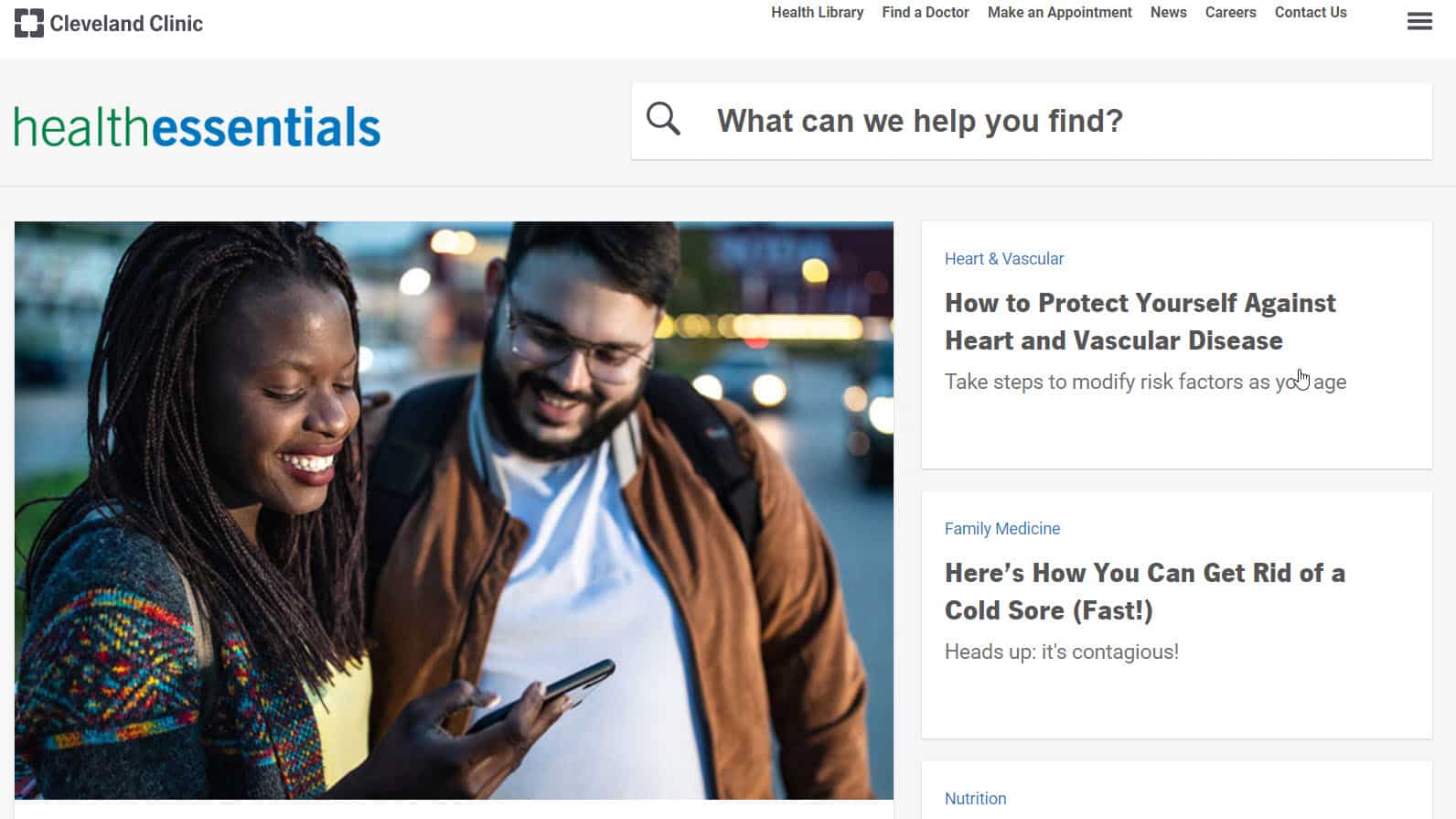
The word “blog” easily comes to mind when we talk about content marketing. Before social media and video marketing became mainstream, blogs used to be quite popular among internet users.
Today, blogs remain a powerful marketing tool for brands and businesses of any kind. And if you’re doing marketing for medical practices, there are various ways to use blog content.
For one, you can shed some insights into common misconceptions around your area of expertise. You can also address the usual concerns of patients in your field, or share engaging stories about your private practice or staff.
Take note: Your blog content must be reliable, authoritative and HIPAA compliant. Also, it’s best to publish content consistently to improve your blog’s online visibility.
2. Infographics
Infographics are widely used and shared content because of their visual appeal and easy-to-digest format. Unlike lengthy articles, infographics can effectively communicate your message with concise wording and sentences.
They are great for sharing and promoting medical content that may contain complex terms, as the format makes the information easy to understand for the readers.
3. Website
Healthcare businesses big or small need a well-designed and SEO optimized website for branding and marketing. Prospective patients who hear about your practice for the first time will likely look your name up online. It’s important to have your site responsive and mobile-friendly to attract visitors, keep them longer on the site, and convert them into buyers.
Applying the best SEO and SEM practices is also critical to make your website competitive amid the countless other sites competing for the same keywords and services as yours. To do this, seek the guidance of professional SEO specialists who know the ins and outs of search engine optimization.
4. Social Media
Nowadays, most people are on social. Even busy professionals like doctors and dentists find it necessary to establish a social presence to expand their reach and patient base.
There are various platforms to use for marketing your medical services, such as Facebook, Instagram, Twitter and LinkedIn. But it’s unrealistic and time-consuming to build a strong presence in every network. So identify which ones work best for your competitors and use them as a guide.
With social media marketing, you can connect with your audience, boost your brand awareness, and engage with other doctors in your field. By sharing content from your site to your social channels, you bring traffic back to your website, boosting SEO.
5. Video Content
Video as a content type has surged in popularity in recent years. Based on a 2018 HubSpot study, “over 50% of consumers say they want to see videos from the brands they interact with.” And while many prefer to watch funny and entertaining content, 61% of consumers want to see educational content from videos on social.
In addition, new studies suggested that in 2019, “80% of general consumer internet traffic will be the viewing of videos.”
These stats explain how video turns into an indispensable content strategy for medical marketing. It helps private practices engage new and potential patients, boost conversions, and improve ROI.
In the healthcare space, videos are commonly used for sharing client testimonials, interviews with medical professionals, and educational content in a particular field, like oral health. You can publish your health-related videos on YouTube, Facebook or other social channels, as well as on your website and in email campaigns.
RELATED: Top Medical Marketing and Media Strategies for Healthcare Providers
Developing Your Content Marketing Strategy
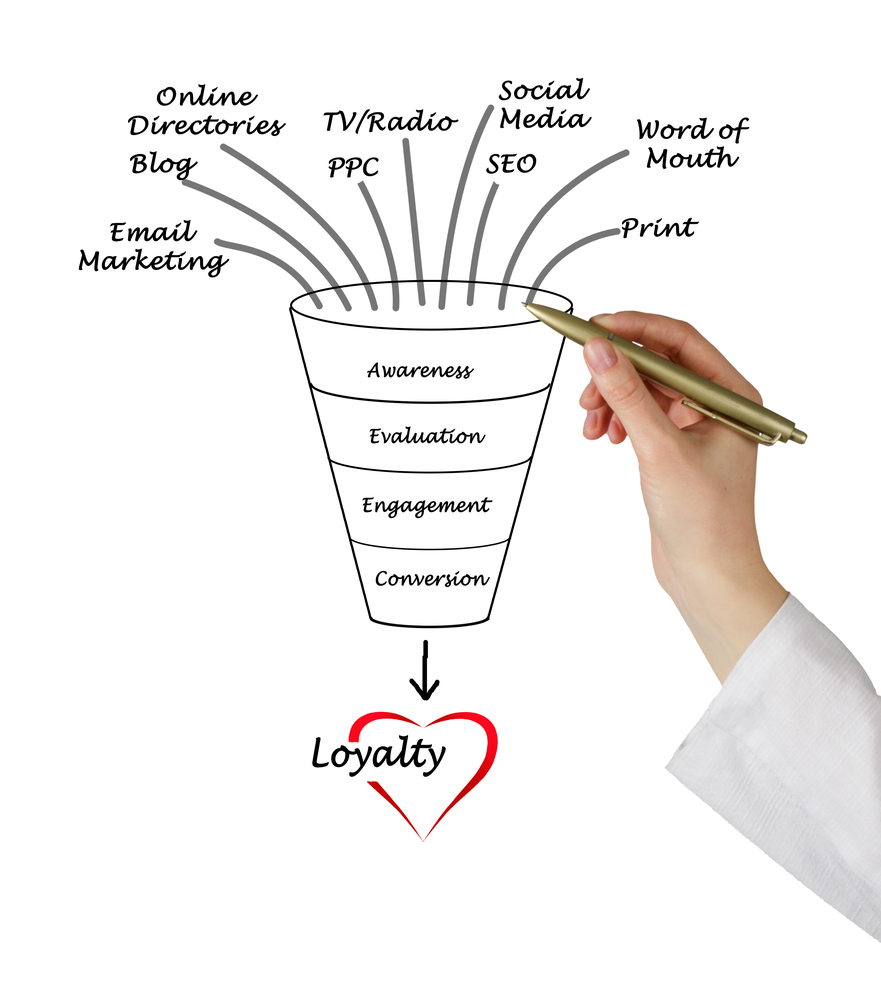
Developing your content strategy for your healthcare business requires knowing your audience well and their current stage in the so-called “sales funnel.” This sales funnel (or marketing funnel) consists of three main stages: awareness, evaluation/consideration, and conversion/purchase/buy stages.
Without a thorough understanding of your audience, there will be a disconnect between them and your practice. For example, a medical spa serves a different market than what a pedia doctor caters to. Also, it’s not the same case when you’re marketing to previous patients than when you’re still building your brand awareness
Now assuming you already know your audience well, you can already craft a strategy to meet your current marketing goals. Check out the tips below on how to develop your content strategy for different stages of your buyer’s (i.e. your patient’s) journey:
Awareness Stage
In this part of the marketing funnel, people have yet to interact with your doctor’s office or hospital. This is where you need to capture your prospect patients’ attention and offer them the value of your products or services.
Take note that your goal here is to create awareness and not sell upfront. You have to build trust with them first before encouraging them to buy. Rather than enticing them with content that is promotional in nature, you must give value by offering educational content that can help solve their needs.
In healthcare marketing, some common content types that work in this funnel stage are educational blog posts and webinars, how-to videos, whitepapers and e-books, as well as social posts.
Evaluation Stage
This is the next step that your prospective patients take. It’s the part where they’re considering visiting your clinic, hospital or medical spa but still need a compelling reason to book an appointment.
For most marketers, this is the most critical stage of the buyer’s journey. Therefore, you need to invest in content that will show your medical expertise and provide the benefits that your prospective patients can get from availing your services.
In this stage, in-depth blog posts, whitepapers and case studies, doctor Q and A sessions, and patient testimonials are among the most effective forms of content marketing.
Conversion Stage
Now your leads are more likely to be your new patients. This is the part where they already acknowledge the value of your product or service and are already deciding whether to schedule their first appointment.
In this stage, you can highlight the benefits that your clinic or hospital provides. What makes your services stand out from competitors? What do your loyal patients love about your practice?
Here you can showcase patient testimonials on your website, landing pages, and email campaigns. While it’s not a good practice in healthcare to deliberately ask for patient reviews, you can leverage your existing online reviews to build trust with your potential patients.
You can also offer a free trial or free consultation for new patients. If you’re introducing a new product or service, you can entice them with discounts and coupons. What’s most important here is you’re bringing value to potential patients while also keeping your existing patients loyal to your business.
Conclusion
 Content marketing is inarguably integral to running and growing your practice or healthcare organization. Businesses in the healthcare field, including medical spas, dental practices, chiropractic clinics, etc. cannot rely anymore on traditional forms of marketing and word-of-mouth advertising.
Digital is the way to go when it comes to medical marketing. And knowing the best methods to market your practice is crucial to its sustainability, regardless of your business size.
However, it can be overwhelming at first to build a content marketing strategy that will work for your medical brand. It’s usually a hit-or-miss in the initial stages, and there are lots of considerations to make.
It doesn’t help that healthcare is a typically demanding industry. Doctors struggle to keep up with the demands of meeting their patients’ needs, let alone handle the business side of their profession.
The process of creating and distributing content takes a lot of time and effort. In this case, it’s best to work with skilled marketing professionals who can ease the burden.
Medical marketing in general requires the assistance of an in-house or an outsourced marketing team. What’s important is that you know the basics, then you can delegate the nitty gritty details to trusted marketers of your choice.
Need help with online marketing for your medical practice? Feel free to reach out to our team to discuss your website needs and marketing goals. From SEO and PPC to content marketing, StepForth Web Marketing will strive to meet your specific needs.
In addition, our sister company, First.Dentist Web Design & Marketing is 100% focused on marketing dental practices.
Give us a call or request for a one-time consultation with StepForth’s CEO, Ross Dunn. Similarly, you can book a free consult with First.Dentist for your dental marketing needs.